
July 09, 2026 | The Practice
5 minute read
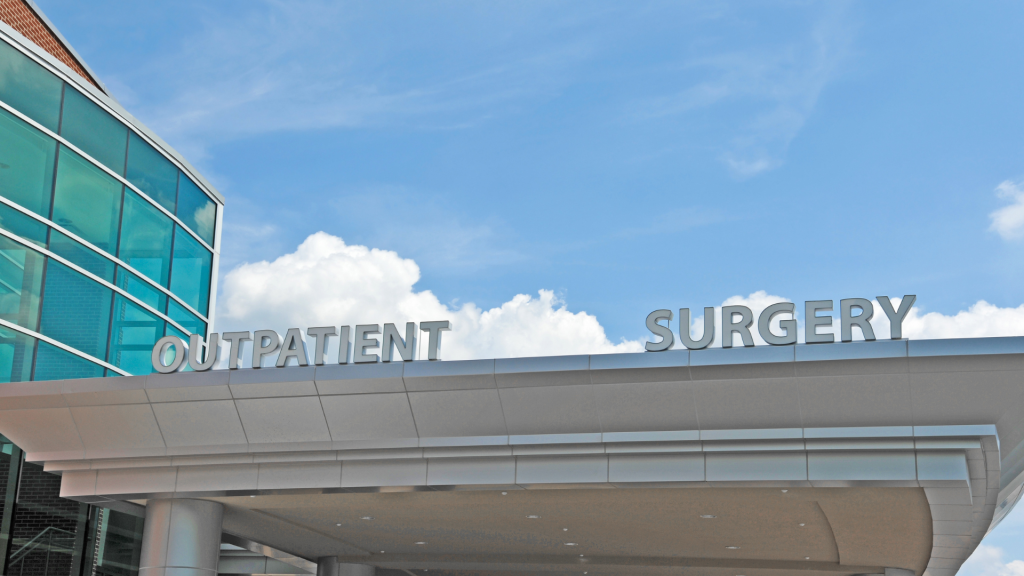
When preparing for a surgical procedure, especially plastic surgery, one of the most important decisions you’ll make is choosing where the surgery will take place: a hospital-based outpatient department or an ambulatory surgery center. This choice can impact your experience, cost, convenience, and even recovery. To help you make an informed decision, we’re exploring the pros and cons of each setting, while keeping patient safety and surgical excellence at the forefront.
One thing to note before reading this, is that a lot of times, this decision is already made for you based on who you choose to perform your surgery. Most surgeons either have their own ambulatory surgery center for their practice or they have an existing hospital-based outpatient facility they traditionally use.
What Is an Ambulatory Surgery Center?
An ambulatory surgical center (ASC) is a free-standing surgery center. This type of facility is utilized for around 29% of plastic surgery practices. These centers are often independently operated and affiliated with private practices and are designed to handle more routine, low-risk procedures, even those requiring general anesthesia.
Benefits of a Surgery Center
The main benefit is efficiency and convenience. Ambulatory surgery centers are known for streamlined processes, convenience and sometimes shorter wait times.
Considerations for a Surgery Center
- Limited Emergency Resources
While rare, complications during surgery can occur. ASCs are not designed to handle unexpected emergencies or critical care needs on-site, which may necessitate a transfer to a hospital. - Not Ideal for All Patients
Individuals with complex medical conditions, certain risk factors, or longer anticipated operative times may be better served in a hospital where comprehensive medical teams and advanced technologies are available. - Procedure Limitations
More involved procedures, or those requiring extended monitoring, are often outside the scope of what an ASC can safely accommodate. - Lack of Anesthesiologist
Many ASCs affiliated with private practices employ CRNAs only (Certified Nurse Anesthetists) to administer the patient’s anesthesia, with the plastic surgeon overseeing these individuals. While CRNAs are often excellent, it is not the same as having both a Board-Certified Anesthesiologist and CRNA involved in the patient’s care, which is typically the case for hospital-associated facilities.
What Is a Hospital-Based Outpatient Department?
A hospital-based outpatient department (HOPD) is a healthcare facility that operates under the license and structure of a hospital, providing outpatient services. Unlike ambulatory surgery centers, HOPDs are integrated with hospital systems, allowing patients access to a broader range of hospital resources, specialists, and coordinated care. These departments are typically located either within the hospital itself or in separate buildings owned and managed by the hospital.
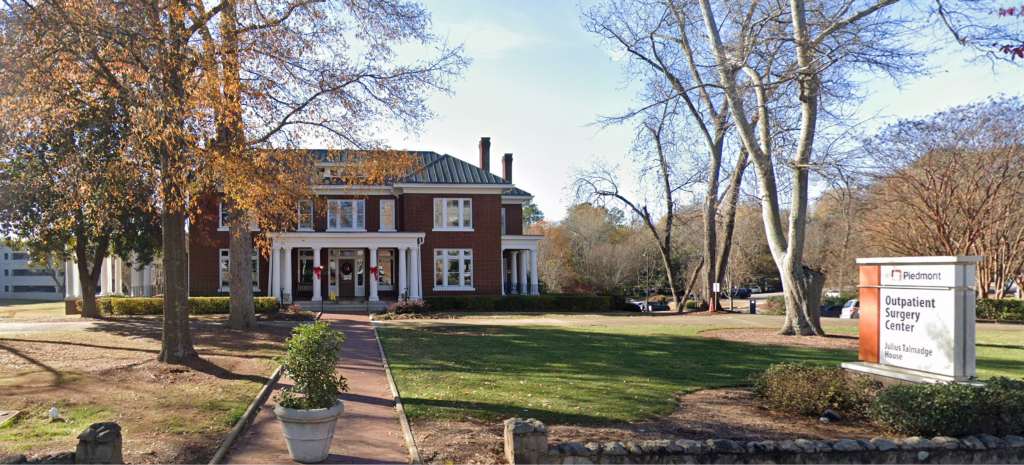
Our practice frequently uses the Piedmont Athens Outpatient Surgery Center located on Prince Avenue. From the front, it appears like a house or regular office building but as you walk back it transforms into a state-of-the-art surgery facility.
Advantages of a Hospital Setting
- Comprehensive Safety and Support
Hospitals are equipped with more advanced technology and full emergency capabilities. This ensures the highest standard of care, particularly in complex or higher-risk situations. At a hospital-based outpatient department, board certified anesthesiologists perform the anesthesia portion of the procedure. This is one of the biggest benefits and indicators of a more safe procedure. - Multidisciplinary Care Access
For patients who may need additional support, whether it’s cardiology, neurology, or internal medicine, hospitals offer immediate access to a broader spectrum of expertise. - Inpatient Monitoring and Recovery
Some procedures could require post-operative observation or overnight stays. Hospitals are fully equipped to manage recovery in a controlled, closely monitored environment.
Considerations for a Hospital Setting
- Potential for Longer Waits
Hospitals must balance elective surgeries with emergency care, which can sometimes impact scheduling or result in delays if the hospital staff, like the anesthesiologists, get pulled into an emergency. This is normally very rare. - Less Intimate Setting
The larger scale of a hospital outpatient department means the experience may feel more clinical compared to the boutique-like environment of some surgery centers. This is one of the best things about where we do most of our surgeries is that it takes place in a smaller, more intimate facility next to the hospital not directly in the hospital.
So, Which Is Right for You?
Ultimately, the right surgical setting depends on a range of factors:
- The type and complexity of your procedure
- Your overall health and medical history
- Your surgeon’s guidance
- Your comfort and care priorities
At Avenue Aesthetics, all surgical procedures are performed in a trusted hospital-based outpatient department. This decision reflects our unwavering commitment to safety, quality, and comprehensive care. By operating exclusively in a hospital setting, Dr. Venditto ensures that every patient benefits from access to advanced surgical technology, experienced medical teams, and fully equipped facilities that are prepared for any scenario, even the unexpected.
This level of preparedness is especially critical for procedures involving general anesthesia, which require close monitoring during and after surgery. In addition, the hospital setting fosters seamless collaboration between Dr. Venditto and a multidisciplinary team of anesthesiologists, nurses, and specialists. This integrated approach helps ensure that every aspect of your care, from pre-op assessment to post-op recovery, is handled with precision and professionalism.
Choosing a hospital-based outpatient department doesn’t mean sacrificing comfort, it means gaining peace of mind. Patients of Avenue Aesthetics can feel confident knowing their procedure is performed in a controlled, accredited environment where safety protocols, emergency resources, and expert care are always within reach.
Dr. Chelsea Venditto: Personalized Care in a Hospital-Associated Surgery Center
At Avenue Aesthetics, Dr. Chelsea Venditto offers honest, expert guidance based on what’s best for your health, safety, and desired outcome. Her commitment to performing surgeries in a hospital-based facility reflects a dedication to providing the most comprehensive, safe care possible, without compromise.
Want to learn more about your surgical options? Schedule a consultation today and take the next step toward a confident, informed decision.